
การผ่าตัดขากรรไกรเพื่อแก้ไขภาวะหยุดหายใจตอนนอน หรือขณะหลับ(MMA : Maxillomandibular advancement)
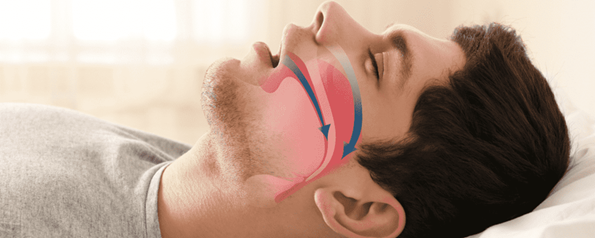
ภาวะหยุดหายใจขณะหลับ(Obstructive Sleep Apnea)
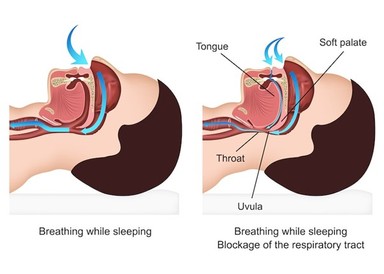
ภาวะหยุดหายใจขณะหลับ เป็นภาวะความผิดปกติอย่างหนึ่งของการหายใจที่เกิดขึ้นระหว่างการนอนหลับ มีการอุดกั้นของทางเดินหายใจส่วนต้น บริเวณจมูกลงไปถึงปอดมีความตีบแคบ จนทำให้เกิดการหยุดหายใจเป็นช่วงๆ ขณะนอนหลับ และมีอาการนอนกรน ความผิดปกตินี้เป็นอันตรายและส่งผลเสียต่อสุขภาพ ซึ่งวิธีการรักษาโดยการผ่าตัดขากรรไกรสามารถแก้ไขปัญหาเหล่านี้ได้
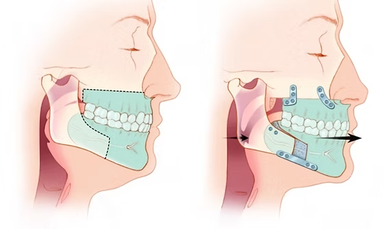
การผ่าตัดเลื่อนกระดูกขากรรไกรบนและล่างมาทางด้านหน้า (Maxillo-Mandibular Advancement: MMA) นี้เป็นการผ่าตัดรักษาภาวะหยุดหายใจขณะหลับที่ได้ผลดีที่สุด โดยสามารถขยายส่วนของทางเดินหายใจที่ตีบแคบได้หลายระดับ โดยการเลื่อนกระดูกโครงสร้างของใบหน้าไปข้างหน้า นอกจากนั้นยังช่วยเพิ่มความตึงตัวของกล้ามเนื้อในระบบทางเดินหายใจส่วนบน ป้องกันการหย่อนยาน และการยุบตัวของทางเดินหายใจส่วนบนด้วย โดยเฉพาะอย่างยิ่งในผู้ป่วยที่มีภาวะหยุดหายใจขณะหลับชนิดปานกลางถึงรุนแรง หรือมีความผิดปกติของโครงสร้างของกระดูกใบหน้า (กระดูกขากรรไกรบนและล่าง) ร่วมด้วย โดยอาจมีสาเหตุจากการเจริญที่ผิดปกติหรือพันธุกรรม การผ่าตัดจะช่วยลดการบดบังช่องทางหายใจในลำคอ สามารถแก้ไขปัญหาทั้งภาวะหยุดหายใจขณะหลับและภาวะนอนกรนได้
ในการรักษาภาวะหยุดหายใจขณะนอนหลับ ศัลแพทย์จะทำการผ่าตัดใหญ่ภายใต้การดมยาสลบ ซึ่งการรักษานี้มีประสิทธิภาพสูงแต่มีความเสี่ยงเมื่อเทียบกับการผ่าตัดอื่นที่เป็นทางเลือกในการรักษา มักจะถูกใช้เป็นวิธีสุดท้ายๆ โดยถือเป็นการรักษาที่ได้ผลอย่างมากกับผู้ป่วยที่ภาวะหยุดหายใจไม่ดีขึ้นหลังการรักษาด้วยวิธีอื่นๆ เช่น การใช้เครื่องช่วยหายใจแรงดันต่อเนื่อง ((continuous positive airway pressure หรือ CPAP)
ภาวะหยุดหายใจขณะหลับ(Obstructive Sleep Apnea)
กลุ่มเสี่ยงภาวะหยุดหายใจขณะหลับ
1. โรคอ้วน
2. ผู้ที่มีต่อมทอนซิลโต
3. ผู้ที่มีริดสีดวงจมูก
4. ผู้ที่อายุ 35 ปี ขึ้นไป
5. ผู้ที่มีคางสั้น คอสั้น ปากเล็ก ลิ้นโต หน้าแบน
6. ผู้ที่มีความดันโลหิตสูง
 อาการข้างเคียงที่อาจเกิดขึ้นหลังผ่าตัด
- เลือดออกมากหลังผ่าตัด (Bleeding)
- แผลติดเชื้อ (Infection)
- บวมบริเวณใบหน้า และอาจรอบทางเดินหายใจ
- กระดูกไม่สมานกัน (Failure of the jaws to heal)
- ฟันและรากฟันได้รับการบาดเจ็บ(Tooth injury)
- ความผิดปกติของกระดูกข้อต่อขากรรไกร
- อาการชาบริเวณใบหน้าและฟันระยะยาว
What is Obstructive Sleep Apnea (OSA)?
Obstructive Sleep Apnea (OSA) is a common sleep disorder characterized by repeated partial or complete blockages of the upper airway during sleep. These blockages reduce or completely halt airflow, leading to disrupted breathing. The primary symptoms include loud snoring, choking or gasping during sleep, excessive daytime sleepiness, and difficulty concentrating. OSA occurs when the muscles in the throat relax excessively, narrowing or closing the airway.
Complications of OSA
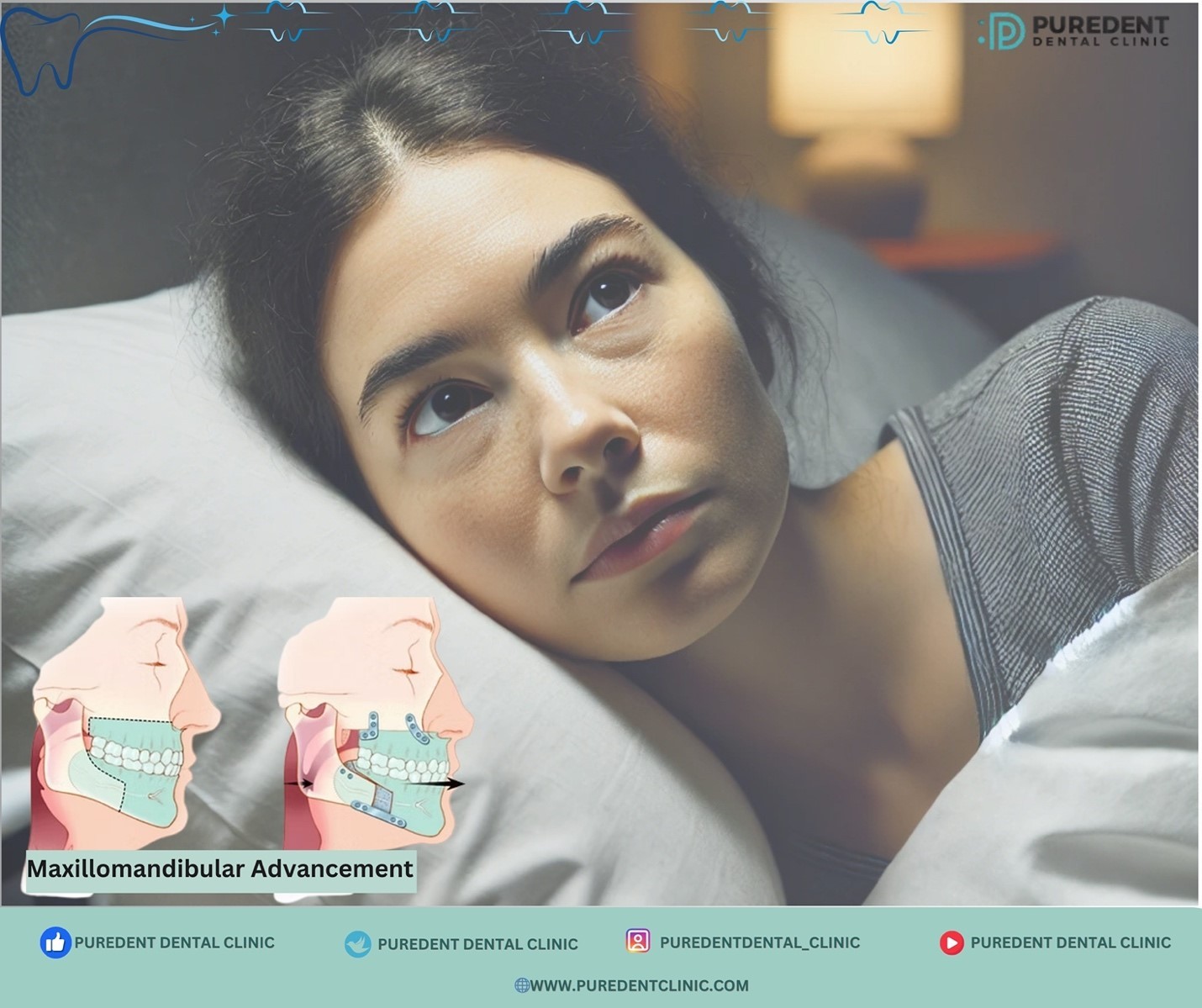
If untreated, OSA can lead to severe health consequences, including:
- Cardiovascular Issues: Increased risk of hypertension, heart attack, stroke, and arrhythmias.
- Metabolic Disorders: Insulin resistance and a higher likelihood of developing Type 2 diabetes.
- Daytime Fatigue: Excessive sleepiness can impair focus and increase the risk of accidents.
- Mental Health Problems: OSA is linked to depression, anxiety, and cognitive decline.
- Impaired Quality of Life: Poor sleep impacts physical and emotional well-being.
Treatments for OSA
OSA treatments depend on severity and underlying causes and can be categorized into non-surgical and surgical options:
1. Non-Surgical Treatments:
- Lifestyle Changes: Weight loss, avoiding alcohol, and sleeping on the side.
- Continuous Positive Airway Pressure (CPAP): A machine delivers a constant airflow to keep the airway open during sleep.
- Oral Appliances: Custom-fitted devices reposition the jaw or tongue to improve airflow.
2. Surgical Treatments:
- Maxillomandibular Advancement (MMA): Moves the upper and lower jaws forward to expand the airway.
- Uvulopalatopharyngoplasty (UPPP): Removes soft tissue from the back of the throat.
- Tongue Reduction Surgery: Reduces the size of the tongue for better airflow.
- Tracheostomy: A last-resort procedure to bypass the blocked airway.
Maxillomandibular Advancement (MMA) for Obstructive Sleep Apnea at Puredent Dental Clinic
Expert Care from Experienced Oral and Maxillofacial Surgeons
Puredent Dental Clinic proudly offers advanced surgical solutions for obstructive sleep apnea (OSA), including Maxillomandibular Advancement (MMA). Our experienced Oral and Maxillofacial Surgeons specialize in treating sleep apnea caused by jaw abnormalities, helping patients achieve better sleep quality and overall health. Jaw surgeries are performed at Faculty of Dentistry, Mahidol University or Phyathai Phaholyothin Hospital (formerly Paolo Saphan Khwai), ensuring the highest standard of care and expertise.
When Is Jaw Surgery Appropriate?
Jaw surgery is indicated for:
1. Patients with Jawbone and Airway Abnormalities: Individuals with small lower jawbones causing a narrow airway and tongue obstruction can benefit from jaw repositioning surgery combined with orthodontics.
2. Severe OSA Cases: For patients whose OSA has not improved with other treatments and who have a narrow upper airway, MMA is performed. This procedure moves both the upper and lower jaws forward, expanding the airway in multiple dimensions, including the nasal cavity, soft palate, and base of the tongue.
How Is the Surgery Performed?
MMA is a precise surgical procedure designed to enhance airway dimensions:
- The surgery begins under general anesthesia.
- Arch bars are attached to the teeth to stabilize the upper and lower jaws.
- The upper jaw is repositioned forward through an incision above the gums and fixed with medical-grade materials.
- The lower jaw is similarly advanced through an incision below the gums, ensuring no visible scars.
- The surgery typically lasts 2-3 hours.
Post-Surgery Recovery
- Patients stay in the hospital for 2-3 nights and have their jaws held together with rubber bands for 2-4 weeks.
- A liquid diet is recommended initially, progressing to soft foods.
- Normal chewing resumes after 4-6 weeks.
- Swelling, facial numbness, and mild nasal congestion are common but subside within weeks. Proper oral hygiene is essential to prevent complications.
MMA is highly effective, with success rates of 85-95% in reducing OSA symptoms. It provides long-term relief, enhances sleep quality, and reduces the risk of related health conditions. Additionally, many patients report improved facial aesthetics post-surgery.
While MMA is generally safe, rare complications may include infection, nerve damage, or temporary changes in facial sensation. Our team ensures comprehensive care to minimize risks and optimize outcomes.
Conclusion: Reclaim Better Sleep and Health
Puredent Dental Clinic is dedicated to providing advanced, personalized care for OSA patients. Using natural airway enhancements through MMA, we help you breathe easier and sleep better. If you or someone you know struggles with sleep apnea, visit us to explore effective solutions. Your journey to improved health starts here.